
VETASSESS has announced important updates to its processes, systems, fees, and timeframes for professional occupation skills assessments. These changes affect skilled migration applicants, temporary graduate visa holders, and employers…..
What is changing on 2 March 2026?
The ART has released updated Practice Directions covering:Migration, Protection, and Character Reviews
Common Procedures
Expert Evidence
Guidance and Appeals Panel referrals
These 2026 Practice Directions replace the earlier 2024 versions and introduce stronger compliance obligations for applicants and representatives.
This update clearly depicts that the ART is moving towards a more disciplined, court-style procedural system.1. The ART May Decide Your Case Without a Hearing
One of the most critical updates under the new ART framework is that the Tribunal may, in certain circumstances, determine or decide a case based solely on written submissions and documents, without conducting an oral hearing.
One of the most critical updates under the new ART framework is that the Tribunal may, in certain circumstances, determine or decide a case based solely on written submissions and documents, without conducting an oral hearing.
It means:
You may not receive an in-person or online hearing invitation.
The tribunal can decide that the written material is sufficient.
If your submissions are weak or incomplete, you may not get another chance to explain your case verbally.
This is particularly important because many applicants assume they will “tell their story at the hearing.”
This means your written submissions and supporting documents must be complete, persuasive, and legally structured from the outset.
You can no longer rely on a future hearing to “fix” weaknesses in your case.
2. Stricter Validity Requirements for Migration Reviews
One of the most important points of the update is reinforced procedural discipline around application validity.
To lodge a valid ART review application, you must:
Apply within the strict deadline
Pay the correct fee or properly request a fee reduction before the deadline
Provide all required information
Use the correct review stream
And most importantly:
The ART cannot extend time limits for migration matters.
If your application is invalid, the Tribunal has no jurisdiction to review the decision.
This means even small procedural mistakes can permanently remove your review rights.
Note that the time limitation is generally:
14 days if you’re in detention
28 days otherwise
Your application will be deemed invalid if you lodge it later than that limitation.
3. New Obligations for Family-Linked Applications
Under the 2026 Practice Direction, applicants must now actively notify the ART if:
Family members have separate review applications
They wish for cases to be heard together
A child is born
A relationship ends
A family member dies
Previously, the regulation for this matter was less structured. Now, failure to notify the Tribunal of one of the above-mentioned conditions could result in separate hearings or inconsistent findings.
This obligation is particularly relevant for review on decision for:
Partner Visa
Parent Visa
Protection Visa family groups
4. Corporate Sponsors Must Report Legal Status Changes
For company applicants or sponsors involved in review proceedings, the 2026 Practice Direction introduces clear obligations to notify the Tribunal if:
The company enters administration
The company is liquidated
The business ceases trading
The company changes the authorised representatives
This aims to ensure the Tribunal is aware of corporate standing during the review process. This is specifically relevant for employer-sponsored visa review matters.
5. Major Changes to Expert Evidence Requirements
The 2026 Practice Directions also introduce some significant procedural changes on the evidence requirements.
Expert reports, such as those of psychologists, psychiatrists, medical practitioners, or country experts, must now:
Confirm independence from the applicant
Disclose any conflicts of interest
Clearly state qualifications
Include a mandatory ART cover sheet
Confirm their duty is to the Tribunal, not the applicant.
AI Disclosure Requirement
For the first time, the ART now requires experts to disclose if generative AI tools were used in preparing reports.
If AI was used, the expert must:
Identify what content was AI-generated
Confirm that they have personally verified its accuracy
Certify the final report as their own opinion
Failure to comply with the new rules may affect the weight given to the evidence.
This is a significant development, particularly for protection and character matters where expert evidence plays a critical role.
6. NAATI-Certified Translation Now Explicitly Required
All non-English documents must be accompanied by a NAATI-certified translation at the time of submitting them to the ART.
Informal translations are not considered to meet the procedural requirements.
This emphasises documentation standards for applicants from non-English speaking backgrounds.
7. Expedited Character Reviews Remain Strict
For matters on visa cancellations under section 501 (visa refusal and cancellation on character grounds) or section 501CA (visa cancellation due to the client serves in prison) of the Migration Act:
Time limits remain extremely strict
Case management remains fast-tracked
Evidence preparation must be immediate and thorough
The 2026 update doesn’t soften these procedures. Applicants facing cancellations on character grounds must act quickly.
8. Stronger Case Management and Compliance Powers
The ART 2026 framework signals stronger control over proceedings.
The Tribunal now clearly emphasises:
Compliance with directions
Structured evidence submission
Page limits for certain applications
Potential dismissal for non-compliance
This means applicants must respond to ART directions promptly and completely.
What Didn’t Change
It is important to clarify that:
Visa criteria under the Migration Act remain the same.
Review rights have not expanded.
Time limits remain strict.
The Tribunal still cannot extend migration review deadlines.
These updates are procedural. It’s critical to comply with the procedure as it determines whether a case will proceed or not.
What This Means for Visa Applicants in Australia
If you are facing a visa refusal or cancellation and considering an ART review:
Seek advice immediately. Remember that there’s no chance for extension.
Ensure your application is lodged correctly and completely.
Prepare expert evidence carefully under the new compliance standards.
Monitor any family or corporate status changes during the review process.
Under the ART 2026 framework, procedural accuracy is just as important as legal arguments.
Registered migration agents
Migration Hub Pty Ltd — Mrs Ratna Tewari (MARN 1679832) and Mr Jeremy W. Hooper (MARN 0107902). For personalised advice on how policy updates may affect your matter, contact our Morley office.
 News
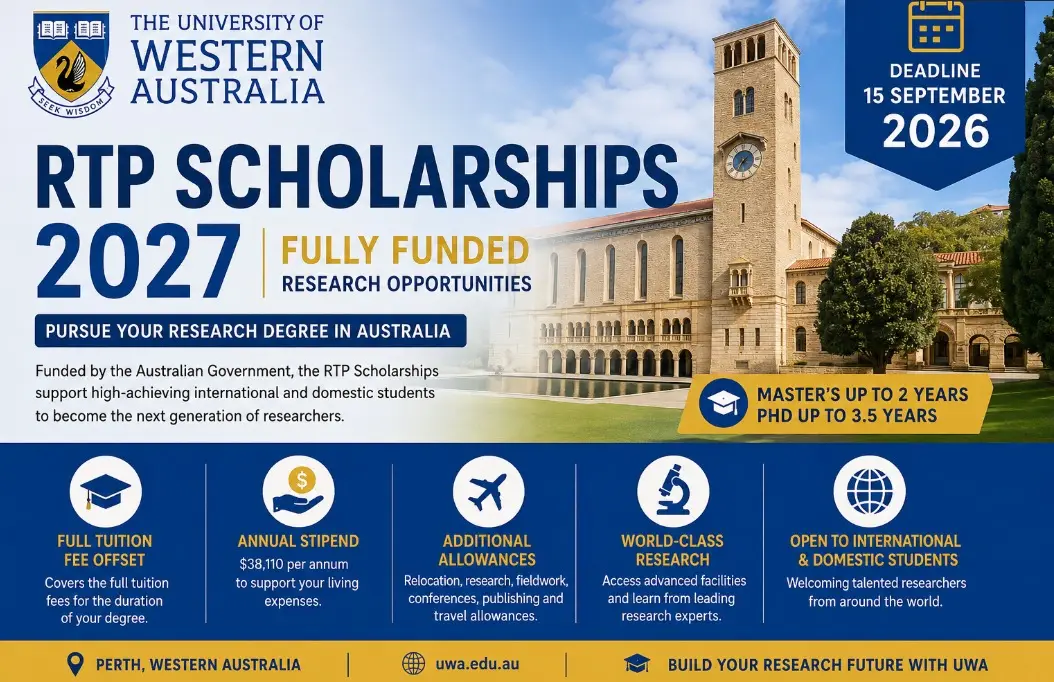
University of Western Australia RTP Scholarships 2027
The University of Western Australia RTP Scholarships 2027 offer fully funded research opportunities for international and domestic students pursuing a Master’s by Research or PhD in Australia. Funded by the Australian Government, the scholarship includes full tuition-fee support, an annual stipend of AUD 38,110, and additional research-related allowances.
 News
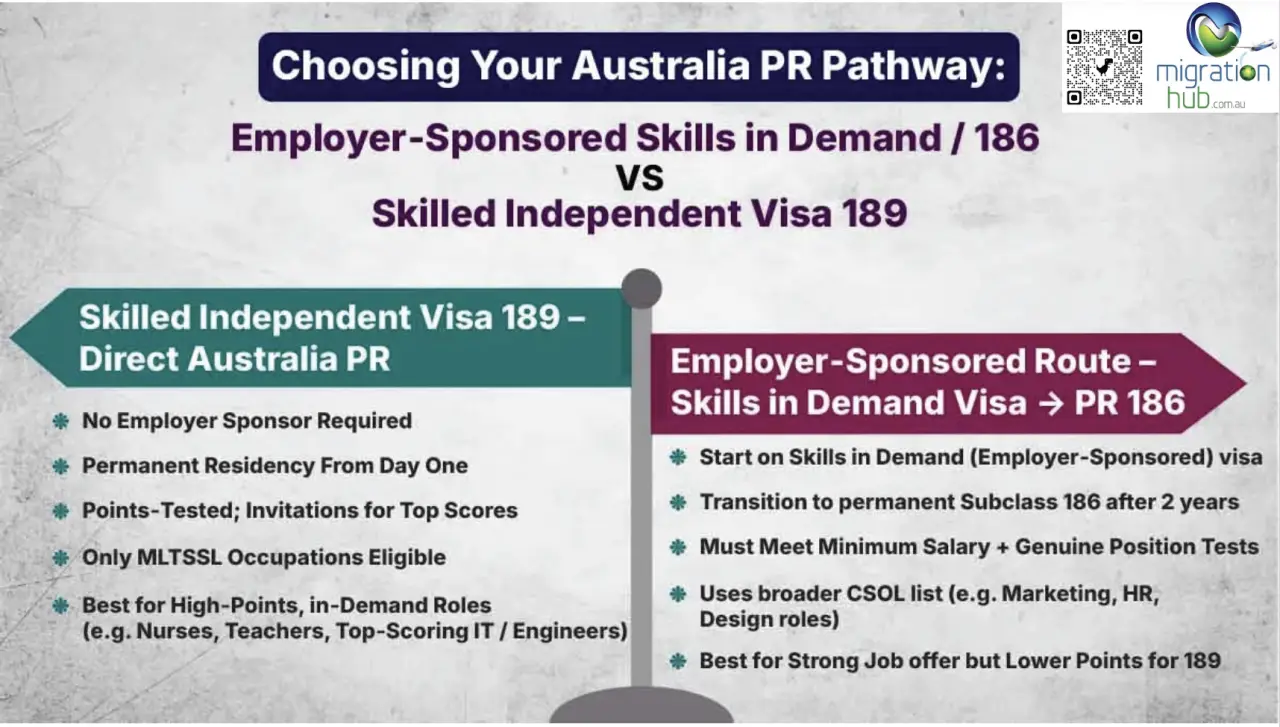
ANZSCO 2022 and CSOL
Understanding ANZSCO 2022 and the Core Skills Occupation List (CSOL) is essential for applicants seeking Australia’s Subclass 482 Skills in Demand Visa or Subclass 186 Employer Nomination Scheme Visa.
 News
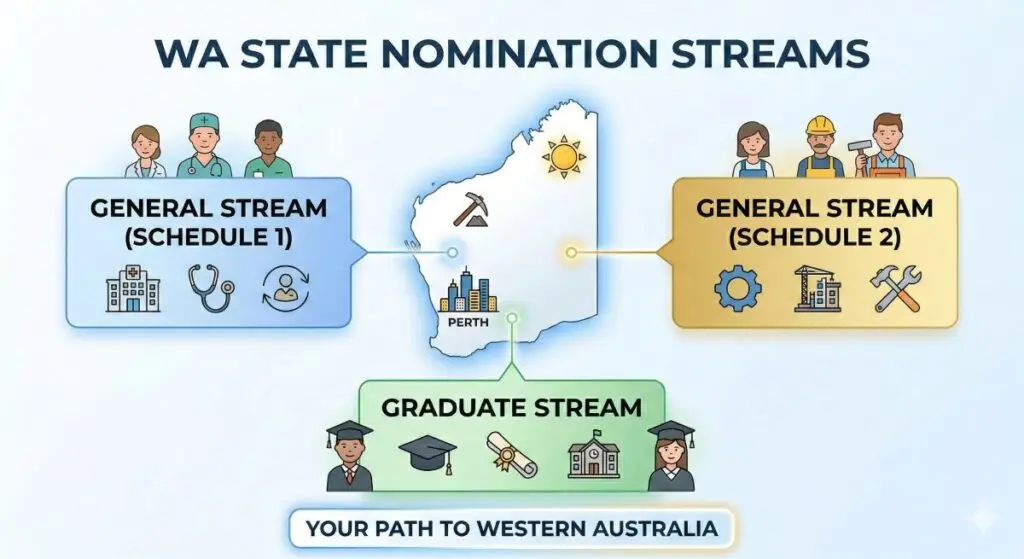
How to Apply for Western Australia Skilled Nomination: EOI, Invitation and Visa Process
Planning to migrate to Western Australia as a skilled worker? This comprehensive guide explains the complete WA Skilled Nomination process.
 News
University of Tasmania Scholarships 2027
Discover the University of Tasmania Scholarships 2027 for international students, including RTP, TGRS, and the Tasmanian International Scholarship.